Episode 88 · April 14, 2024
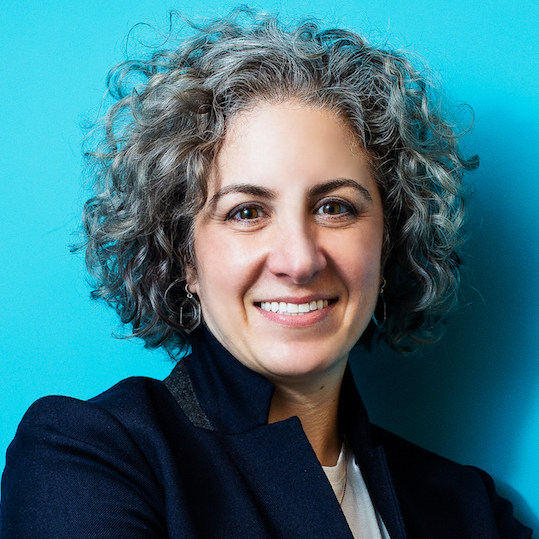
From tactical execution to strategic consulting, with Sarah & Corey Jackson
With Corey Jackson, Sarah Jackson
Listen and subscribe
In this episode
My wife and I watched Hustle, the Adam Sandler movie about a talent scout who's so good at scouting that nobody will let him coach, and I was thinking about that film the whole time I worked on this episode. Sarah and Corey Jackson are married and they run Sarah J Consulting together. Sarah had been solo for ten years and had hit a plateau she couldn't get past; Corey joined and found that the work didn't fly at him the way everybody had promised it would. They walk through exactly what changed, and I finish with the nine steps and why knowing them is worth nothing on its own.
What you'll take away
- Their Painkiller Statement, before and after. It used to say "mission driven." Now it says they help nonprofit development shops reach their multi million dollar fundraising goals, and it's the first thing anyone reads on either of their profiles.
- The 15-minute call. Corey's answer for what changed most: a short guided first conversation instead of an hour of rambling, and the real stakeholders in the room before anybody writes a proposal.
- A board chair who was gung ho and had never once mentioned it to his executive director. Sarah had been deep in conversation with the wrong person for weeks, and it fell apart the moment she asked.
- They were certain they were in power mode. One newsletter a month and a LinkedIn article every couple of months. That's simmer mode.
- Knowing the nine steps changes nothing. I list them at the end and I'd bet you could list them too. Not knowing what to do has never been the problem.
In this conversation
The full transcript, in sections. Open any one to read it.
"It works, because people clearly understand who you are"
0:02
Leah, getting really clear, which is hard and takes work, but is so worth it to get super clear, personally on the work you want to be doing, your vision, the clients you want to attract. And then, guess what? It works, because people clearly understand who you are, what you can help them with, and that definitely helps to attract the right client.
Adam Sandler, a talent scout, and the work you keep getting asked to do
0:27
Welcome to the smart gets paid podcast with me. Leah Neaderthal, I help women land higher paying clients in their independent consulting businesses, but I've never been a salesperson. My background is in corporate marketing, and when I started my first consulting business, I learned pretty quickly that it's about 1000 times harder to sell your own stuff than it is to sell someone else's. So I taught myself how to do it, and I created the sales approach that I now share with my clients so they can feel more comfortable in the sales process, get more of the right clients and get paid way more for every client contract. So whether your client contracts are $5,000 $100,000 or more. If you want to work with more of the clients you love, do more of the work you love, and get paid more than you ever thought you could, then you're in the right place. Let's do it together. Thanks for tuning in, and don't forget to rate, review and share. Hey there. Leah, here, and thanks for tuning in. I hope that wherever you're listening to this, wherever you are right now, you're having a great week, making some good progress in your business and taking some time for you. So the other night, my wife and I were looking around on Netflix for something to watch, you know, just as you do, and we came across a movie by Adam Sandler called hustle. You know, I think we all know Adam Sandler from the Billy Madison years and Saturday Night Live. And this movie is one of his more recent movies. It's less of the slapstick comedy of the Billy Madison years, and more thoughtful and sweet. It's about a man played by Adam Sandler who's a talent scout for the Philadelphia 70 Sixers. He basically travels to different countries and cities looking for the next unicorn player, you know, like the next LeBron James that nobody else has found yet. And it shows him spending weeks on the road, going from city to city, staying in hotel after hotel, away from his wife and daughter, you know, just doing the work of a travel scout. And this is like the first five minutes of the movie, so this is not really a spoiler or anything, and pretty soon it's revealed that he's on this grind of being a talent scout, but he really wants to be a coach, and he has the chops like the ability to be a coach, but people don't see him as a coach, but he's so good At the scouting that people keep him on the road as a scout. Now I won't say any more about the movie, because I don't want to ruin it for you, and I actually really recommend watching it. It's a good movie hustle with Adam Sandler. And I was thinking about this movie as I was working on this episode, because in running a consulting business, so many women I talked to are sort of in a similar situation. We all want to be recognized as a strategic partner with our clients and recognized by our clients. But so many consultants find themselves stuck in the tactical, you know, more executional work, and they end up having to try and convince the client to see them as strategic partners or show them that they deserve to be treated that way. And it's not a comfortable position to feel like you have to convince someone to see your value, and much like Adam Sandler's character and hustle, it can feel sort of demoralizing to know that you can do the strategic work, but you keep being asked to do the executional work, and it's heartbreaking to know that even though you can do it, it's just not how people see you, and over time, it can drain the joy out of your business. So how do you shift from execution to strategic consulting? That's what I'm talking about in my conversation with consultants Sarah and Corey Jackson. Sarah and Corey helped large nonprofits raise millions of dollars. But as you'll hear, they weren't always brought in for the high level strategic work that they wanted to be doing. So as you listen into this episode, you're going to hear the steps they took to go from mostly tactical execution to strategic consulting with clients who see them as strategic partners. You're going to hear them share how they shifted their painkiller statement to clearly communicate their value. You'll hear their approach to LinkedIn and signaling their ideal clients, how they took control of their sales process and started getting more yeses. You'll hear the mindset shift that allowed them to establish better boundaries with clients. And you'll hear how Sarah and Corey make office space work as a married couple running a business. So take a listen to my conversation with Sarah and Corey Jackson, and at the end, I'll come back and share a lesson that you can apply to your business, and then hopefully someday soon, you'll partner with us to help you build your consulting business, and you'll come back on the podcast and share your story. Enjoy. Sarah so Sarah and Corey, it's so good to see you. Welcome.
Thank you so much. We're thrilled to be here. I am
Meet Sarah and Corey Jackson
5:09
so excited to be talking to you today. Why don't we start with you guys introduce yourselves?
Sure. So hello. I'm Sarah Jackson, and I run a consulting firm called Sarah J consulting, or SJC, and we help nonprofit development shops to reach their multi million dollar fundraising goals.
And Corey, you're allowed to talk to awesome.
I remember feeling like a bit of an imposter when I started with you all, because this amazing group of women and I'm the dude coming along for the ride, and I, I joined Sarah about a year and a half ago after working in the nonprofit spaces in ed for nine years, and I your services and helping us get where we are at was so critical at that moment in time. So it's just a great space that we're in now. And I so
you might have noticed that with the economy being as it is, things feel a little shaky. Referrals are slowing down, budgets are getting cut, and clients who you thought would say yes, are saying no or not right now. And here's the thing, in this economy, you can't run your business by waiting for referrals. Clients just aren't going to swim into your net. You have to be intentional. That's why the best way to protect your business today and for the future is to have the two systems that every consulting business needs, a marketing system to bring the right clients to you and fill your pipeline, and a sales system to help clients say yes and get you paid more. But it's not just about getting clients, it's about security and stability and making your business sustainable no matter what's happening out there. Smart women are doing this right now, even in this economy, they're winning their biggest contracts, filling their pipelines, and their businesses are growing, which lets them do things like build up six months of family savings a lot sooner than they had planned, or go from having one to two months of revenue booked to having eight to 10 months of revenue booked, or getting to the place where you're able to pick and choose your clients and say no to the ones that aren't perfect. These are real results from women in the academy, because this is what we do inside the Academy. We help you build the marketing and sales systems that make your business and your revenue more stable, more secure and more sustainable. So if you've been in business for at least two years, if you made at least 120k last year, and if you want your business to feel secure no matter what's happening in the economy, join us. Apply today. It's marketspay.com/academy we get started on Monday, February 9, because you can't control the economy, but you can control what you do about it.
Excited to have this conversation about it. Awesome.
You're also married, just for the listeners. Where are you located right this moment?
As you know so well from our meetings. We are in the same household in Boxford, Massachusetts, coming at you from a zoom feed from two different offices in the same house. Because, guys, that's how it works. That's how it works. We work together really well, but we need our own space. So there you there were
so many times there would be like Corey. I'll be here in just a second. And Corey comes from the comes from the kitchen into his own office or something. It's great. Um, all right, well, so So set the scene for everybody here. What was going on in your business before we started working together? What did you want to achieve that? You were like, Okay, this is the right time, and it's the right time to focus on this. Yeah.
Ten years in, tapped out, and stuck at a plateau
8:40
So I had been on my own as a consultant for 10 years before Corey joined me a year and a half ago, and at that time, a couple of things were happening. One is that I was feeling pretty tapped out around the clients. I had gotten my my network and referrals and things got me quite far. Got me, like, to 10 years. But I really felt I was hitting a plateau, like I just couldn't advance to a new revenue level. I couldn't advance to a different type of client. So that was going on, and at the same time, Corey was joining me, bringing a whole other set of skills, expertise, potential clients. And I think we both felt like we needed to get our footing as a team, and we needed to get our footing in this what was going to be this new level, post plateau. So it was really a double whammy of I needed to do something differently with the business, and we needed to make sure that Corey was integrated really well as a partner. What do you think Corey? Is that right?
Yeah. Is that? What is that your take? Yeah.
And as I started, I think I thought a lot of business was just going to fly at me from all the people that were saying. Saying, Oh, I can't wait to your consultant. I want to work with you. And it didn't happen. And so like we had to immediately. Were like, oh, we have no sales process. We're just totally relying on word of mouth. And obviously that wasn't working very well for us.
So yeah, it's all the people who actually probably do. They were excited for you to be a consultant, but I think you found what a lot of people found. What find is that that doesn't, it just doesn't translate into, like, the business, you know, it's almost like, you know, it's like, we're here, I'm here in the world.
Yeah, my need for revenue wasn't, didn't match their need for what time they wanted to start their project, or they weren't even the right clients in some cases. So yeah, it was all of that. Let's talk
about the right clients, because that was a big part of it. Who, what type of clients did you find that you'd been working with, and what clients and projects did you actually really want?
I can start and then Corey, maybe we can talk about your what happened with you. But for many years, I had a sort of a lopsided portfolio of clients where I had a lot of development, writing and communications clients, great, great people, but it was really more of that churn and burn of the hourly hands on very hourly, almost really more like freelancing as opposed to consulting. So I was in that world for a long time, and then sometimes I would sign on clients for consulting projects that just didn't feel like the right fit, great organizations, good people. But then there was just, it just didn't feel quite right. And now, of course, in hindsight, I see that I wasn't being specific or signaling enough to those clients that I wanted, and I just couldn't see, I just couldn't see a way how to do that until we started working together, but maybe Corey, I'll let you talk about what was, what happened to you initially, and then we can talk about where, who we're working with now.
Yeah, initially it was more of a void than it was the wrong clients like you were dealing with some of the wrong client issues I was dealing with, where are they going to come from? And we weren't using LinkedIn at all, I would say maybe a little, a little, but not. I wasn't using it at all. And Sarah was using it minimally. I think we didn't understand the power of that platform to for the lurkers, as I think you call them. And now we see it like we actually notice it when it happens, when someone contacts us and we're like, oh, they just like that post now I can see it actually happening. Yeah, we
The lurkers, and what happens when they unlurk
12:49
love the lurkers. The lurkers are where your clients are. And just for you guys listening, I mean, lurkers. I know it sounds like creepy, but in any online community, studies show that most people will actually never take any action. They're just in read only mode. And we call those lurkers. And you post something and it gets a 500 views and three people liked it. That means that 497 people saw it and did nothing. Those are the lurkers. And those are, like, your clients are in the lurker group. And, yeah, we love the lurkers. And when lurkers what we say, unlerk themselves, you're like, I see you. I see that you are following along. I see that you're in some type of educational journey that we're a part of. Yeah, it's very cool to see that work. Yes, it's
really fun and validating. When they unlerk, you're like, Oh, I'm signaling the right way. They're connecting what they're picking up, what I'm putting down, type of thing. It's great. Yeah.
So Sarah, as Corey was coming in, you said you have this lopsided practice of like development, writing and communications, but even the development work is that you were doing then is different than some of the development work you're doing now, so talk to me about what things look like now, like what's the mix in the business? Totally.
What the mix in the business looks like now
14:08
So I think since working with you, we've really attracted and signed clients that we want to be working with, the right kinds of clients, really moving away from the sort of very tactical work, which felt more freelancey, and really moving into that true consulting mode, which is really fun. So now I would say it's, let's say, 80% robust, very strategic engagements related to campaign planning, related to improving a development or fundraising office, just on an annual for their annual fundraising basis, and really that 20% now are just a couple of writing clients that I've chosen to keep, who I've worked with. For a long time, who really view me more from a value based perspective than an hourly perspective, and it's much more about the value I bring, as opposed to the hours I'm spending working for them.
Yeah, and I love that, just as a as an example of I think a lot of people are afraid to put a stake in the ground on who they actually want to work with and the types of projects they really want, and because they're afraid that if they do that, they'll be so limited with money and all this stuff. And what I say to everybody is like, you actually have the right to say yes to any client for any reason at any time, and so you're doing these bigger strategic projects, but you want to have the writing clients in some cases. I don't know if this is the case for you, Sarah, but sometimes that more tactical work is very satisfying. You know, it's like, I can bring my like, big sky thinking. But you know what's awesome, just like writing something and having it done? Yeah? You know, like, I, you know, I was, I was talking with another business owner, and I was like, Yeah, you know, strategic, blah, blah, blah, visionary, something, something, something. And like, how you're not supposed to, like, tweak your own website. And I'm like, You know what? But you know what feels good sometimes, like making a change and then pressing Save and then having that be done, you know? So I don't know if that's the case for you.
Oh, 100% I think we can be noodling on a really challenging campaign problem one minute, and then I'm like, You know what? I'm gonna go write this 300 word VIP donor document thing, because I can get it done quickly, I feel a sense of accomplishment. So, yeah, it's nice. It's like a really great like, left brain, right brain combo, totally.
Sarah also loves tweaking websites.
It's really satisfying. Should we be tweaking our own websites? Probably not, but like, it's sometimes it's just good to, like, do something super tactical.
Tori knows I'm definitely wanting a sense of accomplishment. If I jump into Squarespace and I start like, editing content, changing images.
When she starts doing dishes and laundry, and I realize, Oh, something, something's up here, I get a
dishes, laundry website.
Listen, it's real.
I just wanted to add, like her retainer clients were largely writing clients before, and now, like our retainer clients, we've through you and our work with you again, like we learned how to keep an engagement going. And so we have several now retainer clients that keep re upping for more months because they just want to stay with us. And it's more strategic conversations around fundraising. It's less us actually doing tactical work. So in that way, the retainers have changed as well as the big engagements.
Oh, that's great. And plus, that smooths things out on the revenue side as well, when people stay on
Absolutely, absolutely, yeah, it's great to have the opportunity to be ongoing and develop and maintain those relationships month to month. Yeah, and it definitely helps with, like, a steady income stream too.
Totally well. So there was so much that we covered in our work together. What would you say are, like, two or three of the biggest game changers? I'll go first. You both just smiled, like, instantly.
Client Signaling, and the Painkiller Statement they landed on
18:21
So wait, ready? 321, client signaling, minute call. Okay, so first the client signaling. You mentioned it a little while ago. It is a game changer in terms of putting your stake in the ground, getting really clear, which is hard and takes work, but it's so worth it to get super clear personally on the work you want to be doing, your vision, the clients you want to attract. And then guess what? It works, because people clearly understand who you are, what you can help them with, and that definitely helps to attract the right client.
Yeah, totally. So let's just so client signaling, just for folks listening. So client signaling is this strategy where assuming that you, like you said, Sarah, assuming that you have an idea of who you want to work with, and you're really willing to say, this is the type of work I want to be doing. These are the types of clients I want to do it for. Once you have that, then you essentially, you put out little Bat Signals, like little you're, it's almost like you're, you've put a little hints for your clients that only the right clients can pick up. And so I'm just curious, as you're, when you think about client signaling for your business. Who are the clients that you were finally able to say, like, Yeah, I actually or the work that you were like, I actually want this work. And then I'm curious how you can you think of a thing that you are actually using doing to signal that Yes?
So what we realized once we nailed this client signaling. Is that we want to be working with nonprofit organizations that have an established fundraising function. In some way, it can be one person, but some, in some way, they have a fundraising function and they're raising, or close to raising, at least a million dollars every year. Those elements were very key to us to like, hone in on, and the biggest way we use it is on LinkedIn as our painkiller statement, where people can come to LinkedIn they see my name, or they see corey's name and his profile, and then they immediately read what it is that we do and
who we work with, and what is that painkiller statement. Now, the painkiller
statement Leah is we help nonprofit development shops to reach their multi million dollar fundraising goals.
Yes, okay, what
was it before? Do you remember? Okay, literally, I had a tagline that was like, mission driven. Now that might tell you that I'm into charity, that might tell you that I'm into nonprofits, but it really says nothing about who we are, who we want to serve, what we do. And then I remember, I would, I should go back and look at some of the earlier iterations we had with you where we totally thought we nailed it. And then you were like, you know, we could still get more specific, right? As opposed to just saying, I don't know. I think there was one version that was related to, very like lofty of increase your nonprofit's philanthropic wealth. And it's that sounds like I'm a wealth advisor or something, you know. So it was a journey.
We didn't know who we were or what we wanted to be until we really dialed that in. That really helped us to find the business.
I remember some of those conversations where we would where, like, about the painkiller and then taking this messaging into and the signaling into your content. And I remember a couple times I would, you would send me something to look at, and I would it was about fundraising, yeah, and I would send it back to you with some notes. But I was like, You're not a you're not teaching people how to fundraise anyway, because you could talk all day about fundraising, a lot of fundraisers can talk about fundraising, but you specifically were like, how can we take this thing about fundraising and do some signaling in it, so that you're speaking up to an organization that has this function, they're making at least, you know, they're fundraising at least this much, and they have multi million dollar goals, and I think that was a muscle that everybody has to learn. You guys, you don't learn it. What is it? You build it, right? You a muscle that you have to build, that everybody has to build, but you built it really quickly. Do you remember some of those conversations, like, how did that feel
for you? Yeah, I do remember those conversations, and sometimes it felt frustrating, because you want to find the right words, you want to find the right focus, and it just takes a while to get there. It just takes a while to get there. I think another piece, as we were doing those back and forths was also learning, much like you said, we're not teaching people how to fundraise. 101, it's much higher level than that. In a similar vein, the the newsletters, we were putting out, the LinkedIn articles, we were putting out the blog posts, we were putting out a lot of it. In the past, I was like, here's how to write a grant proposal. And that signals absolutely the wrong thing, because I'm I don't want to write grant proposals for people. So that was another learning, yeah, and
you don't want people who want to write proposals themselves, grant proposals themselves, right? Like you don't who are like, give me the free stuff so I can do this on my own. You're like, I want to work with a bigger organization that needs strategic guidance
Exactly, exactly.
The 15-minute call that weeds out the wrong client
24:04
So I was when we both said the same thing at the same time, different things, same time, I said the 15 minute call. That's because that really helped us to have this really simple way of weeding out the wrong client. And I don't know why we didn't do that before. We'd always schedule like 60 Minutes with listen to them, ramble on, and not really have a guide in terms of what the conversation was going to be about. And so the 15 minute call has been life changing for us, because we've got this great short process with the person who contacted us, and then bringing in those key stakeholders into the conversation before we write the proposal has also been a huge game changer for getting to knowing if it's the right client, but also getting that Yes.
And that reminds me of a conversation we had where I think. You would you had gone through the sales process with a few people or few organizations, and even though it's like all systems seem to have pointed to Yes, like all systems were go on the surface, something happened with a stakeholder or whatever, where it just was derailed or pushed way out or something. And we talked about how you can actually, it's like, actually better to slow this down.
The board chair who never told his executive director
25:26
Yes, better to slow it down. Yes. I think before, we were like, Let's have a long meeting and then immediately write a proposal and then send it, thinking that somehow that speed would lead to a quicker Yes, but actually it just led to a lot of radio silence, where, for example, one situation we had, I had been in very deep discussions with the board chair of a nonprofit, and he was so gung ho and really wanted to move things forward. And it wasn't until much later that I finally said, By the way, have you talked to your executive director about this? Because I kept just speaking with him, and then very quickly, the whole thing fell apart, because, guess what? His executive director was not interested in outside fundraising help. So it was a waste of time, but it was a huge learning experience that I remember the three of us talked through, and that was one of the things that led us to create this slowed down process where we make sure all of the right people are at the table as early as possible, which has definitely led to more successful closes.
I'm so glad, because you I think it's so easy to get really excited, and especially for people who come in hot. But as we've talked about, and as we talked about a lot in the academy, like hot prospects are actually like the worst. If they're coming in super hot, you think they're going to be a fast Yes, and oftentimes they're a slow Yes, and more likely, a slow No, just, I remember the conversations that we had around these couple opportunities, and you were like, I think we yeah, we figured out a way to get people to the table. And you were like, Can I Can we do this? Can we say, like, no, that our process is that we have these people in the conversation, or whatever. And I remember saying to you, yeah, you you can just what we call make it so. And I'm curious if that has had that has translated elsewhere, because what we often find is that once you sort of adopt this idea of make it so, it makes a lot more things possible.
Yeah, what we've been finding is that the prospective clients that are not willing to follow our process end up being not a fit anyway. Corey, I don't know if you want to add to that, but
no, yeah, that's been really fascinating to us, and sometimes we do still push it along, because we want to make sure we're right about that, but, but almost in every case, when they're like, No, we're not going to No, I'm not going to include the ED or the CEO. It's just me making this. It's okay. This isn't going to work, because we're not we're not actually going to figure out what you need without those people providing some input, and then the proposal is not going to be what you need it
to be totally and if you follow that thought into the client relationship, if people are not on board, if people won't come to the table, how can you be successful solving their problems? Right? I mean, one of my, one of my current, one of my Academy members, always says the way it starts is the way it ends. And I've found that to be true too. Any other things that were like game changers for you in this process,
your template and the way we talk in the proposal matches our style so much better than what we were doing. We were so mechanical in our proposals, and so just like contracty, instead of really showing a true understanding of the client's position and giving them a really customized and and feel for who we are in the proposal itself, we could have fun with it a little bit more. And that was definitely, I think that's definitely been a game changer. People, you know, we had one instance where they were so shocked by hearing their own words back. I don't know if you remember this. Yes, I do. So okay, that's the wrong client, and that was that that was interesting to experience and learn, that even how they digest the proposal, their own words, their own problems, was a problem for them, and so we realized we can't help them, right? So, yeah, that whole thing has been an incredible game changer for us. Awesome.
Power mode, maintenance mode, simmer mode
29:49
Another game changer for us has been thinking about the volume and the like intensity of our marketing. At different times. So, Leah, when we started working with you, we were in what you call power mode. We were like, we're going to do this many LinkedIn articles a week. We're basically we're going to amplify what we're doing. We're going to write more content to put out into the world so that we can attract clients. And that was power mode for quite a while. Then all of a sudden, we had so much work. Right now we're in, I hate to say it, but we're not even in summer mode. I'm in like, holy moly. We're so busy that we were able to pull back on the marketing. So even that frame of mind of we understand what types of marketing we should be doing, and we know that we can adjust the frequency up or down depending on how busy we are and how much we really need to be hustling for clients.
Yeah, I Oh, my God, I love that. And just if you're listening. So we talk about building a sustainable marketing strategy that has three modes. There's maintenance mode, which is like, what are the activities that you're doing on a regular basis? Just like, you know, status quo things are just going along. If you want to, or in some cases, need to make something happen, then you dial it up to power mode. And if you are super busy, or you're going on vacation, or whatever's happening in your life, you can downgrade it basically, to simmer mode. So having these three modes and this language allows you to continually be doing some type of marketing, even if you're busy. And actually, I remember you guys, I remember like a conversation where you were like, we thought we were in power mode, but we this is early on, right? This we thought we were in power mode, but we've actually been in simmer mode like forever.
1,000% we were I was like, Oh my gosh, we're in power mode. I'm sending 1e newsletter a month, or even maybe less, and I'm doing one LinkedIn article every couple of months. And really, before working with you. I was also very into my corporate LinkedIn page as opposed to my personal LinkedIn page. And I now understand that the personal LinkedIn page has a lot more
traction reach. Yeah, definitely, I do. And you guys made, like, your whole and whole worksheet about the sustainable strategy, right? You made like a checklist.
We did. I made a checklist in Canva, so that was a great way to start, and I use it. I would print it out every it was a monthly checklist with the weekly marketing tasks for that month. But we've since upgraded to Asana, so now we're tracking everything, including our marketing, including our client work, everything in there. So we, we started with a very simple process, and then we were able to upgrade that into a system.
Oh, I love it. I love that. But just the idea that now that you, like, know what to do and when to do it, and you there's no you're not wondering, What should I do and when and how much should I effort? Should I be putting in? I love that you have this process now. Yes, you guys, do you remember very early in our calls, maybe before you signed on, I asked each of you what you would like to see for the other one through this process. Do you remember?
Yes, I remember this.
Do you remember what you said? Can I can we guess? Yeah. I mean, what would you just thinking back, Sarah, what did you hope for Corey in this process? And then Corey, I'm going to ask you the same thing.
I think that I hoped for Corey that he would gain more clarity and more confidence because he was new to consulting, a clearer sense of who his clients would be and what he would be offering for services and to feel good about that, maybe that's what I said.
Corey, what? Yeah, Corey, what did you think you wanted?
Just wanted Sarah to feel less stressed about the work she didn't like doing. I wanted her to get the work that she wanted to do. I'm gonna
go back and listen to it. I don't know. I don't know yet. I'm gonna go back. And I thought you had it in front of you. I You know what I meant to and then I was and then I started the zoom, and I was like, Oh crap, I forgot to go back to the transcript. So Sarah, do you feel like Corey has gotten there?
Very much. So I think he's gotten there. And then some it's been so amazing to watch this person who I love, who I've known for a long time, just gain so much confidence and capability in his consulting life. It's great.
That's so nice to hear. Corey. What about Sarah?
Yeah, 100% we're working with clients that we're excited about. She'll get off certain calls and be like, Oh, just talked about a donor strategy for that whole call, and it just felt so good. And she's not there's much less conversations around the dinner table about all the writing projects that she's thinking about and hates doing. So I think in that way, she still has some writing projects and writing clients, but it seems like the balance has been found because we were able to replace that revenue with something else.
That's so great. That's so great you guys. I love how Sarah, you're like, I've known him for a long time. Like, you're married, you have like, two children together, yeah?
But it's so interesting. It's it's Corey as a husband versus Corey as a professional, yeah? And it's great to watch him really come into his own and as a consultant.
Oh, that's so nice you guys. What would you say to somebody who's in the position that you guys were in back then. What advice would you give them hire? Leah, you don't have to say that.
I mean, it really did change, like I was on the verge of like, maybe I should be looking for another job, because I think, and I think maybe it's more patience, but you need education like you need we. We probably wouldn't have been able to do it, figure it out on our own. Would have
taken us a lot longer. We would have had to invent all the things that you already had. I'm gonna say something. You don't have to include it, obviously. But here's the thing, and I may have told you this, Leah and Corey knows this. I sit for 11 and a half years now, or whatever. I've always seen these coaches online come and go, come through my feed, reach out to me, and I never felt like I was seeing a coach that was going to get down to the brass tacks until I saw you. Okay. So like my advice would be, if people are looking for a coach or a consultant to help them with their business, which I think is a great idea, they need to make sure that they're really going to be getting something tangible and concrete out of it, because there are a lot of very smart, creative people out there with great ideas and great encouragement, but I think you provide the encouragement the big picture, but also the actual tools. I mean, I remember we would be in a Zoom meeting, and we would bring something up that wasn't even necessarily part of what we would see inside of the academy or inside of your program, and you would say, Hold on. I have a tool for that. I think having that level of concrete support is totally what I would recommend to somebody who's looking to grow their business,
yeah, and thank you for saying that. And also, I mean, as somebody who I've had coaches, I've done programs, you know, and there's just a big mix out there, and it's sometimes it's hard to know, but yeah, this is what I love, like getting into the details and getting into the weeds. And I've always said, like, I'm not. I don't know if I told you the guys this early on, but I was like, I'm not the world's like most Woo, woo, Coach, you know, I'm not, like, the answers are inside of you. I'm like, do it this way. And here's the thing that you need to do it, because nobody has time to, like, figure it out themselves, you know, or like, finding the answers. Like, the answers for the proposal are not within you. I'll just, I'm just gonna say that yes.
It's not like, I can meditate and be like, Oh, client signaling. I found it, right?
And there's a lot of that stuff out there. Let's change your mindset, or whatever. I'm like, no, yes, change your mindset. Sure, that's that's got to be part of it. But here's the proposal template, you know, right?
Well, and to that point too. Leah, you're a one stop shop, like you also do mindset, but you make it a piece, a component, not the whole thing. Yeah, so I feel like it's the left brain, it's the right brain, it's the mindset, it's the proposal template, it's all of the pieces you need.
Thank you for saying that. I appreciate. It's true. I'm curious what what you just said sparked a question for me. You know, because with the mindset stuff, I always talk about how there's a lot of there's a lot of stuff to learn to be good at this, but there's a lot to unlearn as well. And so I'm wondering, is there something that you feel like you have unlearned in this process that's helped you?
What each of them had to unlearn
39:46
I have what I have unlearned is the idea of subservience to a client. That was a big one. It's more about what you call people. Sharing, really treating yourself as an equal partner with the client or the potential client, and carrying yourself in that way, it goes back to what we were talking about with make it so. I am an expert. I am being called upon because I know more than the potential client about the topic at hand, and I can choose to carry myself and conduct the work in a way that feels more equal and less please hire me.
Yeah, absolutely, that's something that I'm glad you I'm glad that was something that you were able to unlearn. And oftentimes you see that it carries through far beyond the business.
Oh, yeah, yeah. I think it very much goes in line with imposter syndrome that especially a lot of women have, and it's a constant unlearning process, but just having the tools and the vocabulary to keep working on it is really helpful.
Yeah, yeah. Corey, what about you? What's something that you've unlearned or are in the process of unlearning.
And I was going to say the same exact thing, because I think the peering, we even talked about it today, around the client, it doesn't need to feel competitive, it doesn't need to feel subservient, it needs to feel trusted and same level, and once you get yourself into that mindset, it's very easy to live that way. I'm trying to think if there's anything else I've unlearned. I just did a lot of learning. I really felt like this was a huge professional development piece for me as a consultant. I think
one, one thing maybe you want to talk about is the pricing early on your desire to get clients, and how you were like, under pricing yourself,
yeah, the value based pricing was, yeah, huge in terms of what is the value to the consumer, not thinking about it as, like, an hour early project That will take this long. So really thinking through and even on our retainers, like, what to charge per month, right? Like, just really thinking about, what is the value to that nonprofit that will hire us for that service, versus how much work is it? How does that divide? How many hours am I going to do like that? Who cares, and that has definitely increased our overall revenue as a result. Awesome.
All right, you guys, where can folks find you?
Oh, folks can find us on LinkedIn, Sarah M Jackson and Corey Richard Jackson on LinkedIn, and our website is Sarah J consulting.com Awesome.
My take: nine steps, and why knowing them isn't the job
42:47
You guys. Thank you so much for being here and for sharing your journey, and look forward to seeing where you go next. All right, I want to give a huge thanks to Sarah and Corey for sharing their journey, and if anything that they said spoke to you, be sure to reach out to them on LinkedIn and let them know and say thanks, and real quick. So Sarah and Corey mentioned their sustainable marketing strategy template they created where they took our sustainable marketing strategy framework and they created a worksheet for themselves to help them stay consistent in their marketing, and they've generously shared it with the community. So if you're in the academy, you can find Sarah and corey's Exact sustainable marketing strategy template that they use in their business in the marketing playbook section under the sustainable strategy module. So be sure to check that out. All right, so there are so many good nuggets in this conversation, and I want to just pull out a lesson that you can think about for your business. And I think the biggest thing to take away is that if you find yourself doing more of the execution work, but you want to be doing the strategic work, I just want you to know, and I want you to see that it is possible to make that change, that you don't have to be stuck in execution forever, and to make that change. Here are the steps like these are the steps that Sarah and Corey took, and the steps that I would tell anyone who wanted to make this shift in their business. Number one, position your work in terms of value, which we call the painkiller statement. Number two, show up where your clients are, which, for most of us, if you're selling B to B, that's LinkedIn. Number three, share thoughtful content that establishes your expertise. Number four, signal your ideal clients. Number five, lead a great discovery. Call and uncover the value that clients are looking for. Number six, lead a great sales process. Number seven, scope and price your work for value. Number eight, write proposals that position your work for value. And number nine, help clients say, Yes, those are the steps. I mean simple, right? Simple, but not easy. And I mean it's funny, because I bet if you sat down and thought about it, you could probably come up with those steps too. Because knowing the steps means very little. It means nothing. Nothing. The problem actually isn't not knowing what to do. The problem is never not knowing what to do. Sorry, I know that's a lot of double negatives, but bear with me. The problem is never that you don't know what to do. It's being able to actually do it, and forget being able to do it. The problem is actually doing it and doing it well, it's like, yeah, I probably know what to do to climb Mount Everest, you know, you probably have to train for it and have the right backpack and the right jacket and gear. You have to have food for the trip, and you have to know how to put up a tent in cold weather and how to just put one foot in front of the other until you get to the top of Mount Everest. But just because I know what to do doesn't mean I can just do it. All the women I work with are so smart and so capable and you know what to do to get clients and build your consulting business, but it doesn't mean you know how to do it, and frankly, it doesn't mean you're doing it. And I know exactly what that's like, because that was me too, like I knew what to do, but I didn't know how to do it. And because I didn't know how I did it, either poorly or, to be honest, I just didn't do it at all. And I know exactly what that's like because that was me, like I knew what to do, I knew that I should be meeting people or posting on LinkedIn or leading a sales process and whatnot. I knew what to do, and I actually kind of had an idea of maybe how to do it, although probably not. But either way, I didn't do it. I just wasn't doing it. But I felt like I was so smart, like I knew what to do, and yet I didn't. So I think we just have to be honest with ourselves about the things we think we know and the things we can actually do and the things we're actually doing, and when you really get down to it, I think we have to be honest with ourselves about the things we're not doing, because when you're honest with yourself, you can start to close that gap so that your abilities match your intelligence, because you are too smart to not know how to do this work for your business. But when your abilities match your intelligence, that's when you can start to really do what's necessary. You can actually do what you know needs to be done to build the consulting business you want.
Hey, everything we're talking about in this episode is part of the system. Women like you are learning in the academy. In the Academy, we help women consultants install the two systems. Every B to B consultant needs a marketing system to consistently attract the right clients and a sales system to lead a sales process to a yes and get paid more for every contract. So even if you've only gotten clients through referrals or word of mouth in the academy, you'll learn how to attract and sign clients outside your network, how to lead a sales process with confidence, and how to get paid for your value, not your time. And there's no cold calling or cold emailing involved, no changing your services or making a course, and you won't use any pushy sales tactics. That's just not our vibe. So if you like what you've heard here, the academy may be your right next step to learn how you can get these two systems in your consulting business and make progress faster and with fewer roadblocks. Head to smart gets paid.com/academy and apply and we can chat about next steps. All right, see you over there. Transcribed by https://otter.ai
Two ways I can help you
When you're ready to break through to the next revenue level in your consulting business, here are two ways I can help you.
1Join The Academy
For women consultants who've been in business 2+ years and are making $120k+. Build the two systems every consulting business needs to get more of the right clients, get paid more, and build a sustainable business:
- A marketing system to bring the right clients to you and fill your pipeline
- A sales system to help clients say yes and get you paid more
If you're ready to make your business and revenue more stable, secure, and sustainable, visit the Academy page to learn more and apply.
2Get Roadmap to Clients
Map out a simple sales process for your consulting business in less than an hour. Take potential clients smoothly from first contact to a signed proposal, so you can stop reinventing the wheel with every opportunity.
Get the free video course.